
Celebrate Navratri The Goa Way
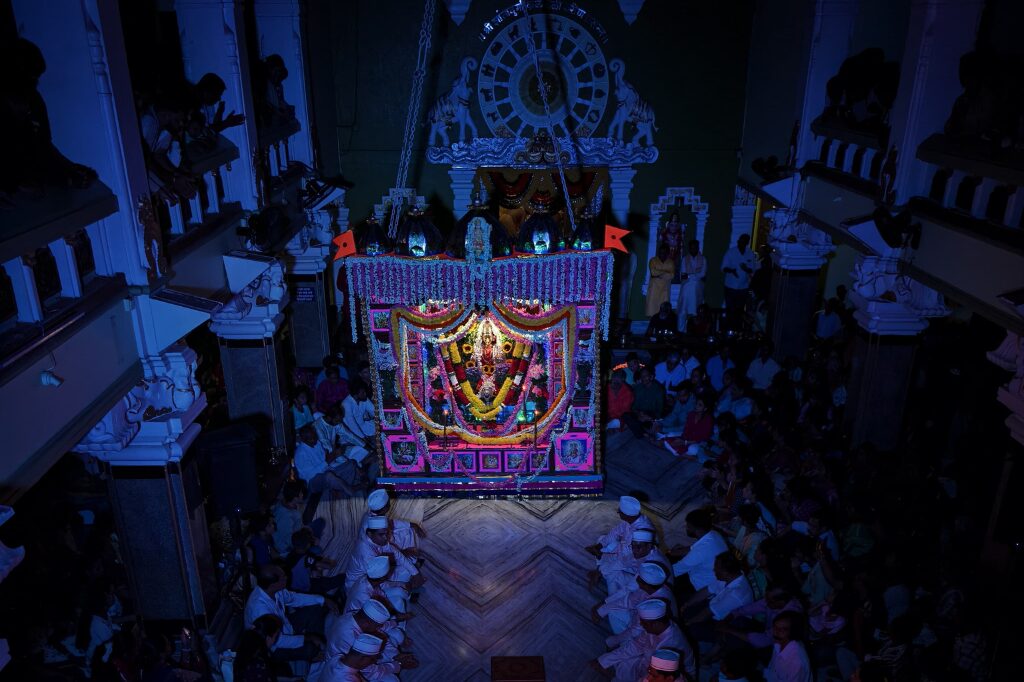
As the monsoon fades, Goa transforms with Navratri, a nine-day festival that honours the divine feminine with serene devotion. For Goa’s Hindu communities, this occasion represents temple rituals and cosy home observances, culminating in the joyous celebration of Dussehra, where bright marigold garlands drape homes and the gentle sway of sacred cradles tell stories of protection and abundance. Let us explore how this festival unfolds, the temples worth exploring, its deeper meaning, and the elements that make Goa’s celebration truly special.
How Navratri Unfolds in Goa
Navratri in Goa extends over nine days, each brimming with unique rituals that build a spiritual crescendo, as families and temples host daily pujas led by women who embrace fasts on fruits and milk while revering local goddesses such as Sateri, known as the earth guardian, Shantadurga, recognised as the peacemaker, Bhumika, celebrated as the earth mother, Bhagvati, admired for her warrior spirit, and Mauli, cherished for her maternal protection. The Vastra Ghalap tradition commences with a single marigold garland placed on the tulsi plant, increasing by one each day to symbolise the deepening of faith. Evening gondhal dances and Mhakharotav swings, ornate wooden cradles adorned with colourful beads and flowers that hold goddess idols, infuse the occasion with a unique charm. The following provides a day-by-day delight of the festivities:
- Day 1: Ghatasthapana and Sateri’s Shield – The journey begins with Ghatasthapana, a ritual involving the sowing of barley seeds in earthen pots filled with holy water to promote prosperity, as a single marigold garland graces the tulsi and evening prayers to Sateri weave tales of her protecting villages from storms.
- Day 2: Shantadurga’s Peaceful Embrace – The focus shifts to harmony through soft bhajans performed at home, where women savour shivrak, a dish made from lentils and greens, to break their fasts, and temples anoint anthills with turmeric to resolve conflicts, adding a second garland to the tulsi.
- Day 3: Bhumika’s Earthly Thanks – Gratitude for the post-monsoon soil inspires devotees to scatter petals in groves, while clay lamps glow at home altars and betel leaves are exchanged as gestures of goodwill, with three garlands adorning the tulsi to reflect growing blessings.
- Day 4: Mini Ganesh Chaturthi Refresh – This special day caters to those who missed August’s festival, as homemade clay Ganesha idols receive modaks and chants to remove obstacles, followed by sunset immersions to release worries, with four garlands marking renewal on the tulsi.
- Day 5: Panchami and Savashin Warmth – Marital harmony shines through the savashin ritual, where a married woman enjoys votti, rice cakes infused with coconut, and shares love stories at a friend’s home, while five garlands cascade on the tulsi as Bhagvati’s strength echoes in temple bells.
- Day 6: Mauli’s Nurturing Care – Mothers lead pujas to ensure children’s health, sharing payasam, a rice pudding served as prasad, and mini Mhakharotav processions evoke maternal love, with six garlands signalling abundance.
- Day 7: Lakshmi’s Prosperity Call – Homes are swept to invite wealth, and seven garlands indicate the nearing completion of the festival, while at Poinguinim’s Navdurga Temple, gondhal dances with brass plates reenact divine victories, igniting the spirit.
- Day 8: Ashtami’s Deep Devotion – Fasts reach their peak with Kumari Puja, honouring girls as goddesses and breaking only after the ritual, as eight garlands blanket the tulsi and starry-night vigils share tales of demon-slaying.
- Day 9: Navami’s Grand Finale – Aartis unite all nine goddess forms to reflect spiritual growth, with nine garlands crowning the tulsi in colour and Mhakharotavs swaying one last time as a soothing farewell.
- Day 10: The nine days culminate with Dussehra, where assets such as vehicles are adorned with marigolds and mango leaf garlands, and the exchange of apta leaves promises golden fortunes.
Temples to Explore During Navratri
Goa’s temples evolve into vibrant hubs during Navratri, offering perfect opportunities for cultural immersion, as the Shri Navdurga Temple in Poinguinim, Canacona, dazzles with gondhal dances where men twirl brass plates in devotion. The Shantadurga Temple in Kavlem, Ponda, enchants with its serene Mhakharotav, where the goddess’s idol gently sways, while the Mahalakshmi Temple in Panaji shines on Ashtami with Kumari Puja, honouring young girls. The Sateri Temple in Bicholim, situated near its anthill shrine, provides a rustic charm with offerings of rice and turmeric, and these spots, adorned with marigolds and lamps, welcome visitors from dawn to dusk, peaking during evening rituals.
What Navratri Means
Navratri presents a captivating blend of culture and spirituality, as it celebrates the triumph of good over evil through Durga’s victory over Mahishasura and Rama’s conquest of Ravana, symbolising righteousness and bravery. In Goa, local deities such as Sateri, the earth protector, and Shantadurga, the peacekeeper, reflect a unique syncretism, while the nine days honour the Navadurga forms. These include wealth, strength, and wisdom, while Vastra Ghalap, alongside Dasara’s asset worship, signify renewal and prosperity, offering a personal and communal reflection that invites global travellers to explore India’s rich spiritual diversity.
What Makes Goa’s Navratri Stand Out
Goa’s Navratri shines with elegance, opting for intimate rites over the usual dance frenzy, as the Mhakharotav, a flower-draped cradle swaying with the goddess’s idol, stands out as a highlight symbolising nurturing care. The Simolanghan in Pernem, where deity processions cross village lines, fosters unity through a rare faith dance, and home rituals such as savashin feasts and daily tulsi garlanding weave family bonds with spirituality. Unlike the celebrations found elsewhere, Navratri in Goa focuses on nature worship and folklore, offering a tranquil allure for those craving authentic cultural depth.
As the glow of diyas carries the essence of Navratri, Goa invites you to sway in faith’s cradle, ensuring that whether you are admiring a temple’s Mhakharotav or exchanging apta leaves, this festival blooms from the heart, leaving lasting memories of your Goa vacation. At Marquis Beach Resort, we ensure that your stay is comfortable during the festive season. There are also sightseeing places in close proximity, like Fort Aguada, that we can recommend, while suggesting places to buy Goan treasures to take back home after your festive Goa getaway. So come and celebrate the Navratri festival with us.